
Queer | Art x Doll Invasion: Community, Representation, and the Auction Block
The second annual fundraiser exhibition in New York showcases auction highlights and grassroots engagement to uplift queer artists and foster inclusivity in contemporary art.
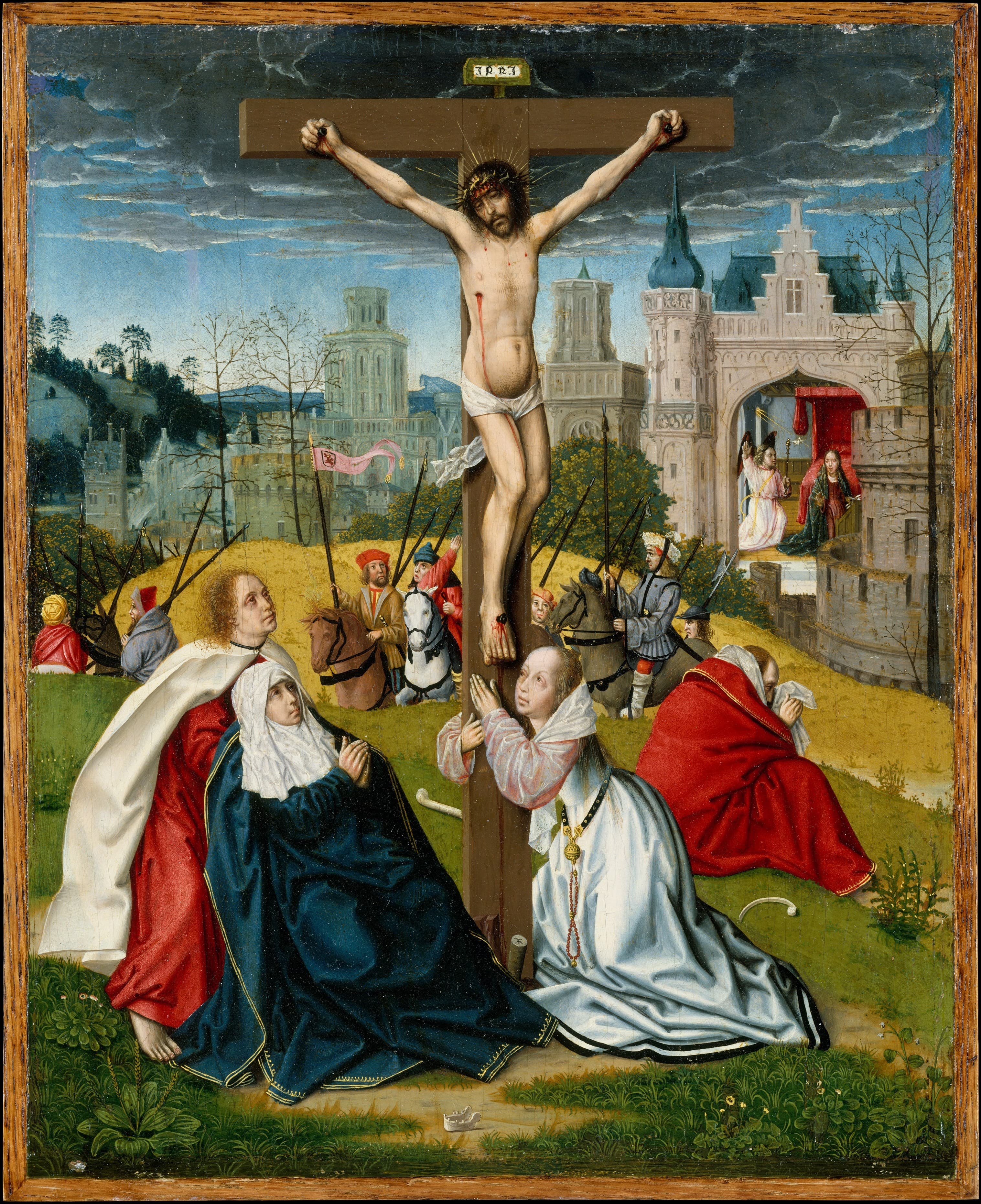
On October 12, 2023, the Queer | Art x Doll Invasion fundraiser exhibition opened at The LGBT Community Center in New York. The event showcased 35 works by queer artists, with proceeds benefiting Queer | Art, a non-profit that supports LGBTQ+ artists through mentorship and grants. A highlight was Catherine Opie's untitled 1993 gelatin silver print, which sold for $62,000, exceeding its estimate by nearly 30%.
Organized with gallerist Kristin Gaylord, the auction emphasized the value of the works and the diversity of the artists. Emerging talents like photographer Texas Isaiah and ceramicist Rosa Dest exhibited alongside established figures such as Mickalene Thomas and Paul Mpagi Sepuya. Sepuya noted, "This is a rare opportunity to present work in a space that directly uplifts our community."
This event combined fundraising with grassroots programming. "It’s about fostering connections that expand the cultural conversation on queer representation," said Queer | Art Executive Director Travis Chamberlain. Community workshops, artist talks, and performances ensured accessibility, with tickets for the live auction starting at $25.
A collaboration with Doll Invasion, a New York collective known for drag performances, featured miniature sculptures and wearable art. Anita D., a drag performer and sculptor, described this as "a dialogue between queer aesthetics and material practice," emphasizing how queer formats challenge traditional art boundaries.
The fundraiser raised $450,000, an increase from last year’s $350,000, enhancing visibility for LGBTQ+ artists. However, systemic barriers persist. Auction houses like Christie’s and Sotheby’s still underrepresent queer narratives in their marquee sales, with few thematic auctions dedicated to LGBTQ+ art.
Chamberlain acknowledged this gap, stating, "While grassroots events like ours provide crucial support, major institutions must do more than tokenize queer identities; they need to integrate them fully into their frameworks." Kristin Gaylord echoed this sentiment, noting the art market often lags behind cultural movements.
A striking moment occurred during the live bidding for Mickalene Thomas’s limited edition print Racquel Reclining Wearing Purple Jumpsuit, which sold for $18,000 to a first-time collector. This exemplifies Chamberlain’s vision of "bridging the gap between emerging collectors and artists within a queer cultural framework."
The fundraiser also tackled sustainability challenges. Rosa Dest, whose ceramics sold for $3,200, expressed the difficulty of balancing artistic production with financial precarity: "We’re not just making art; we’re navigating survival in a system that often sidelines us." The auction thus serves as both a fundraising mechanism and a platform for marginalized voices.
The event's significance within queer art history is profound. Scholars like Jonathan Katz link queer aesthetics to political movements, from ACT UP’s activism in the 1980s to today’s intersectional discourses. In this light, Queer | Art x Doll Invasion embodies a commercial and cultural gesture vital for understanding queer art’s evolution.
In a year marked by rising anti-LGBTQ+ legislation in the U.S., events like this serve as cultural touchstones. They remind us that art is both resistance and celebration. Whether grassroots artistry can influence larger institutions remains uncertain, but for one night in New York, queer art captivated the auction block—and the audience.
- Queer | Art Official Website — Queer | Art
- The LGBT Community Center — The LGBT Community Center
- Sotheby's Auction Records — Sotheby's
- Catherine Opie: Untitled (1993) — The Metropolitan Museum of Art
The Future of Art Collecting: Adapting to the Digital Age
Online auctions and evolving consumer behaviors are reshaping how art is valued and acquired in the digital era.
Art in the Arena of Political Discourse
Artists are reshaping political conversations, questioning systems of power and identity in real time through installations, performances, and digital platforms.
The Charlie Kirk Memorial and the Shifting Terrain of Public Art
A controversial new sculpture in Times Square has ignited debate over public art’s role in representing community values and navigating political fault lines.