
The Revival of Craftsmanship in Contemporary Design
As consumers increasingly seek authenticity and uniqueness, a growing number of designers are reinvigorating artisanal techniques in furniture, lighting, and packaging.

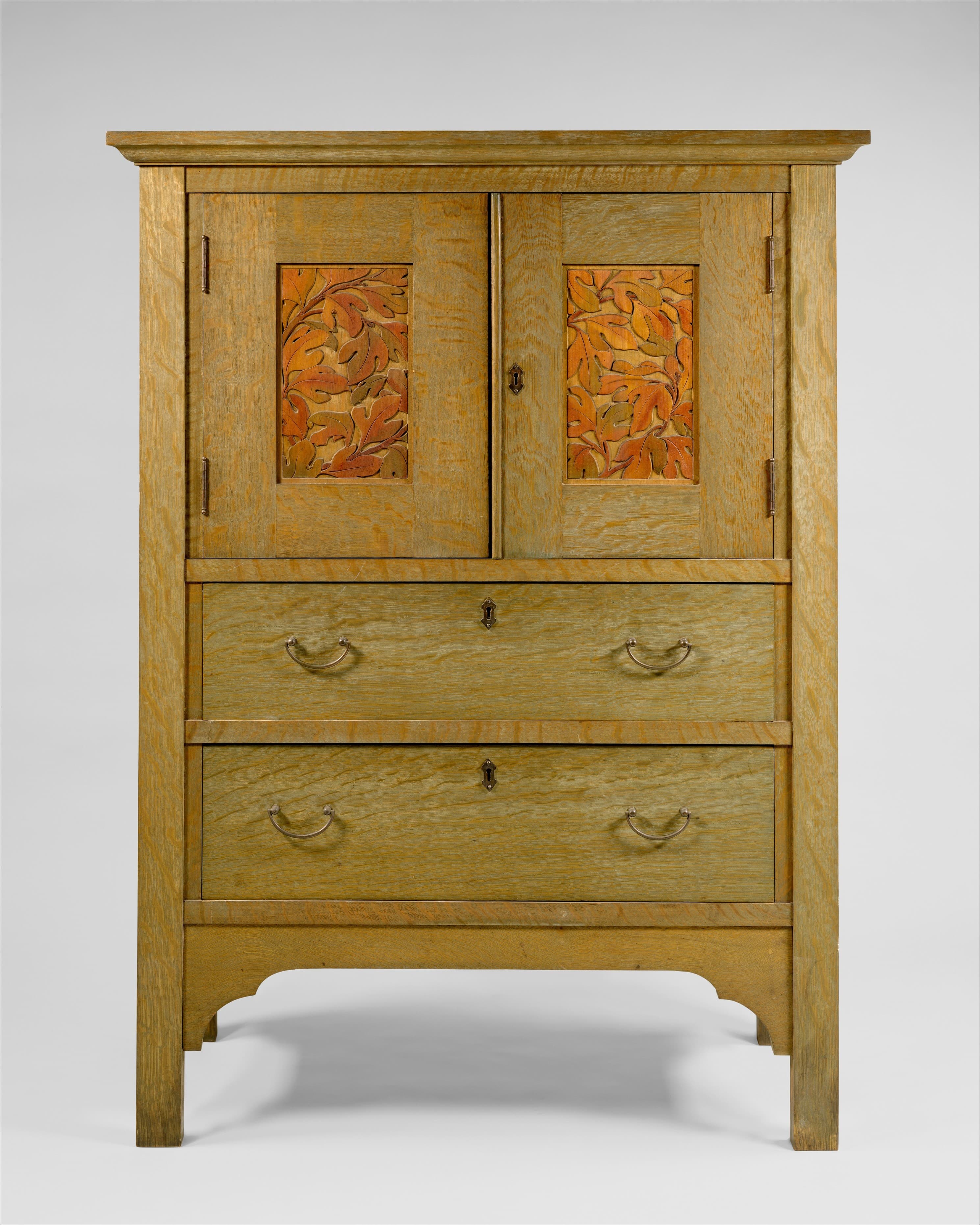
A larder cupboard from Inglis Hall’s West Sussex workshop serves as a centerpiece in designer Jay Osgerby’s kitchen. Made from solid wood, it symbolizes a transformation in contemporary design. “How wrong we were,” reflects Inglis Hall on its humble beginnings. This piece exemplifies a shift that prioritizes craftsmanship and artisanal integrity.
This revival extends beyond bespoke furniture. Dutch designer Lex Pott redefined portable lighting with the PS2026 Portable Lamp for IKEA’s latest PS Collection. Pott describes the lamp as a "playful companion," designed without a fixed purpose. Although IKEA operates on a massive scale, Pott’s focus on narrative highlights a demand for meaningful interactions with everyday objects. Even in 2026, mass-market brands embrace elements of craftsmanship, reflecting a cultural yearning for the handmade.
Collaboration between designers and artisans defines this movement. These partnerships merge technical precision with local traditions, creating pieces that feel personal and universal. In Lagos, textile designer Tola Ayeni collaborates with furniture artisans to craft upholstered chairs using adire, an indigo-dyed cloth from Yorubaland. Ayeni notes, "The unevenness in adire is its strength—it reminds us that there’s a person behind the process."
Materials play a crucial role in this cultural shift. Designers highlight sustainable woods, recycled metals, and repurposed industrial by-products to align aesthetics with environmental responsibility. The Larder cupboard by Inglis Hall derives its durability from sustainable timber, embodying both function and beauty. This material consciousness connects the object’s form to its production story, a narrative valued by discerning consumers.
Packaging design reflects this revival of craft and storytelling. KitKat’s "Break Mode" packaging, created by Ogilvy Colombia for Panama, doubles as a Faraday cage, blocking electronic signals when a smartphone is placed inside. This innovation transforms enjoying a chocolate wafer into a commentary on digital detachment. While high-tech in concept, the design taps into the desire for physicality and intention that fuels contemporary design. It serves as a reminder that even mass-produced goods can embrace artisanal values—if not in their making, then in the experience they offer.
However, the revival of craftsmanship faces challenges. Designers struggle with the tension between exclusivity and accessibility. Tola Ayeni acknowledges that her adire-upholstered furniture often caters to international buyers more than local Lagosians, mirroring a broader pattern in the craft revival. "We risk creating a market that celebrates craft but sidelines its origins," Ayeni warns. This paradox underscores the need for strategies that connect local talent with local audiences, fostering an equitable ecosystem for artisanal design.
The renewed focus on craftsmanship raises questions about technology's role. Some designers prioritize traditional methods, while others, like Pott, integrate industrial partners to scale. The key question is not whether technology should be part of contemporary craft, but how it can enhance the human touch rather than erase it. This nuanced approach has the potential to redefine authenticity in the twenty-first century.
The revival of craftsmanship in design is more than a trend. From larder cupboards in West Sussex to adire-clad chairs in Lagos, the movement reveals cultural values shifting toward sustainability, individuality, and connection. As the market grows, it must reconcile its contradictions. Will this revival lead to societal change, or will it remain a niche within design culture? Regardless, the objects themselves continue to tell stories that are both personal and political.
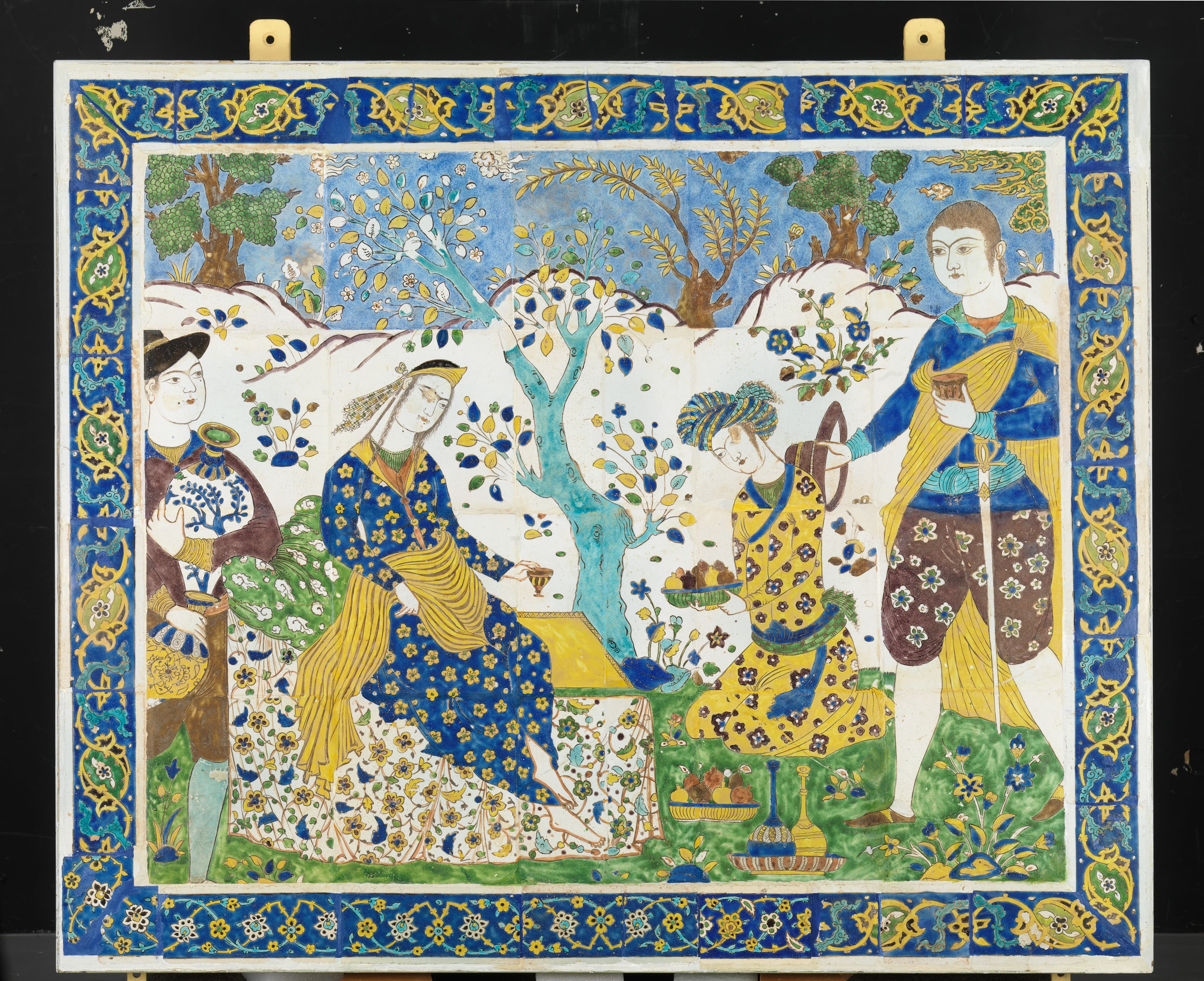
Craftsmanship Renewed: Traditional Techniques in Modern Design
In an era of mass production, contemporary designers are reasserting the importance of craftsmanship, merging time-honoured skills with modern aesthetics to create objects that resonate on personal and cultural levels.
Crafting the Future: Innovations in Material Use and Design
Designers are pushing material boundaries while embracing sustainable crafts, offering a blueprint for future creative practices.

Radhika Chitalia and the Passport as a Vessel for Memory
Radhika Chitalia transforms her late father's passport into a tactile record of loss, reframing its pages as carriers of grief and remembrance.